
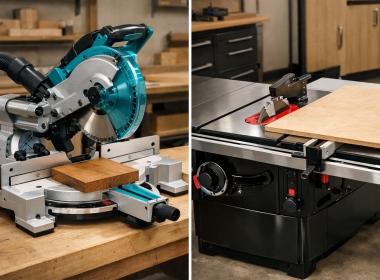
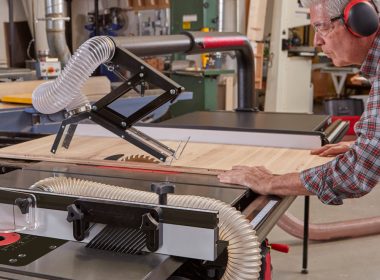
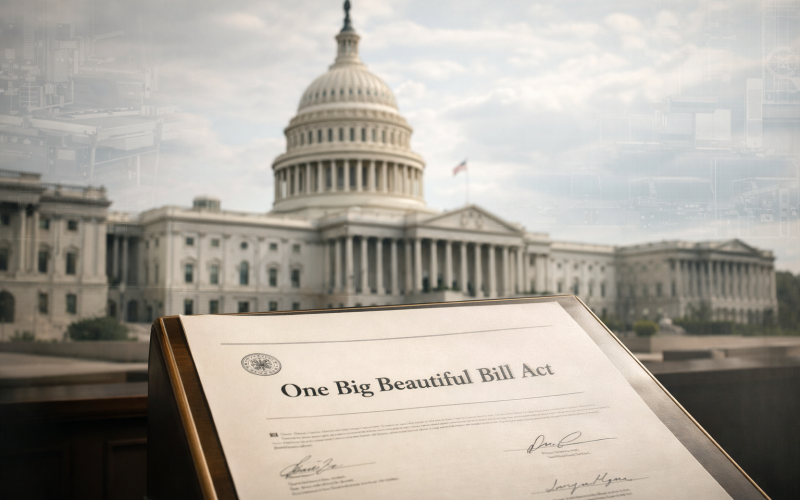
For woodworking shops, fabrication shops, cabinet makers, and other small businesses investing in machinery equipment, 2026 brings a simple tax planning advantage you should know about.
The One Big Beautiful Bill Act (OBBBA) permanently restored 100 percent bonus depreciation for most qualifying business property — including machinery — placed in service after January 19, 2025. That means firms can write off the full cost of qualifying equipment in the year it is placed into service, instead of depreciating it over many years.
Quick Skim Table: 100 Percent Bonus Depreciation for Machinery
| Topic | Key Takeaway |
|---|---|
| What changed for 2026 | 100 percent bonus depreciation is permanently restored for qualifying business equipment placed in service after January 19, 2025 |
| What qualifies | Most business machinery and equipment with a recovery period of 20 years or less |
| How it works | Businesses can deduct the full purchase price of qualifying machinery in the year it is placed in service |
| Tax impact | Immediate deduction lowers taxable income for the year of purchase |
| Cash flow benefit | Faster cost recovery improves short term cash flow |
| Planning advantage | Permanent rule allows confident long term capital equipment planning |
| Section 179 | Can be combined with bonus depreciation depending on tax strategy |
| Why it matters in 2026 | Makes investing in new machinery more financially efficient |
| Who benefits most | Cabinet shops, woodshops, metal shops, and manufacturers upgrading equipment |
| Next step | Consult a tax professional to apply the rule correctly to your purchase |
What 100 Percent Bonus Depreciation Is
Bonus depreciation is a tax code provision that lets businesses deduct a large portion of the cost of qualifying property in the year it is first used. Before the OBBBA, bonus depreciation was scheduled to phase down and expire. With the new law:
- 100 percent depreciation is permanent for qualified assets acquired and placed in service after January 19, 2025.
- The rule applies to most tangible personal property with a recovery period of 20 years or less. This includes heavy machinery, shop equipment, and other capital investments.
This rule lets a shop deduct the full cost of a qualifying purchase in the first year instead of following the usual multi-year depreciation schedule in the Modified Accelerated Cost Recovery System (MACRS).
How It Works for Your Business
Here’s how this affects a typical 2026 machinery purchase:
- Buy a machine from Wurth Machinery in 2026.
- Place it in service during your 2026 taxable year.
- You can claim 100 percent of the asset’s cost as a bonus depreciation deduction on your 2026 tax return.
Before the OBBBA, the percentage used for bonus depreciation was slowly phasing down and expected to disappear entirely by 2027. That schedule changed with the new law, restoring and making permanent the 100 percent deduction.
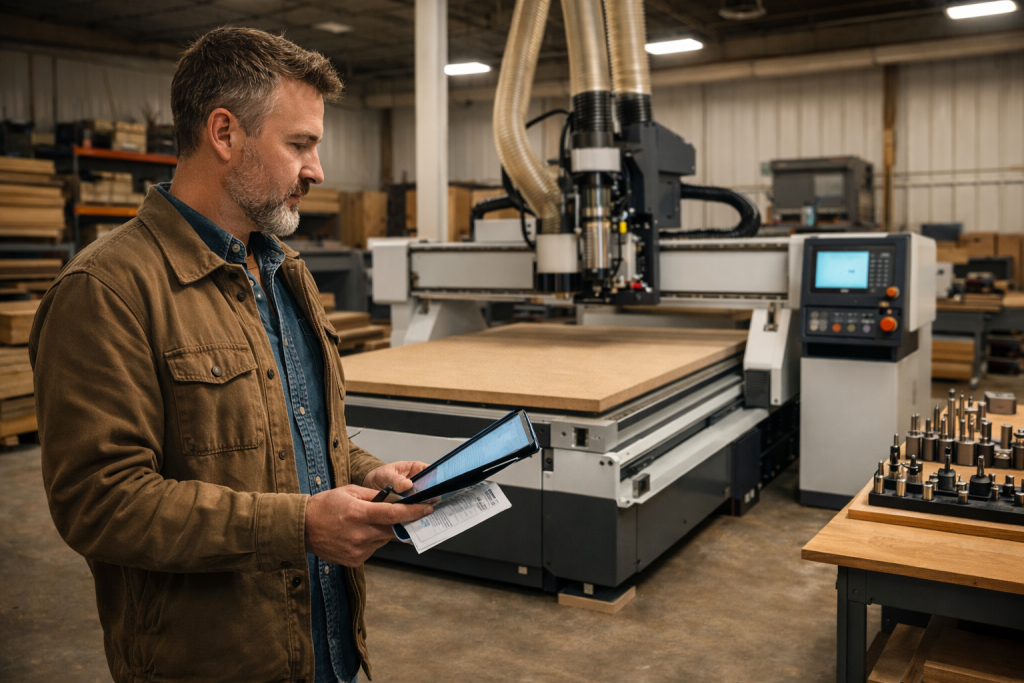
Why This Matters to Shops
Immediate expensing under the bonus depreciation rule has a clear business impact:
Lower Taxable Income in Year One
Expensing the full cost of qualifying machinery in the year you buy it reduces taxable income and lowers your total tax liability for that year. This gives shops more spending power immediately after a capital purchase.
Better Cash Flow
Instead of recovering machinery cost over several years, accelerated depreciation lets you keep more cash flowing in the year you invest. That cash can be used for payroll, supplies, facility upgrades, or other growth investments.
Clear Business Planning
The permanence of 100 percent bonus depreciation removes uncertainty in capital budgeting. Shops can plan machinery acquisitions knowing the tax benefit will still be available.
Section 179 Works With Bonus Depreciation
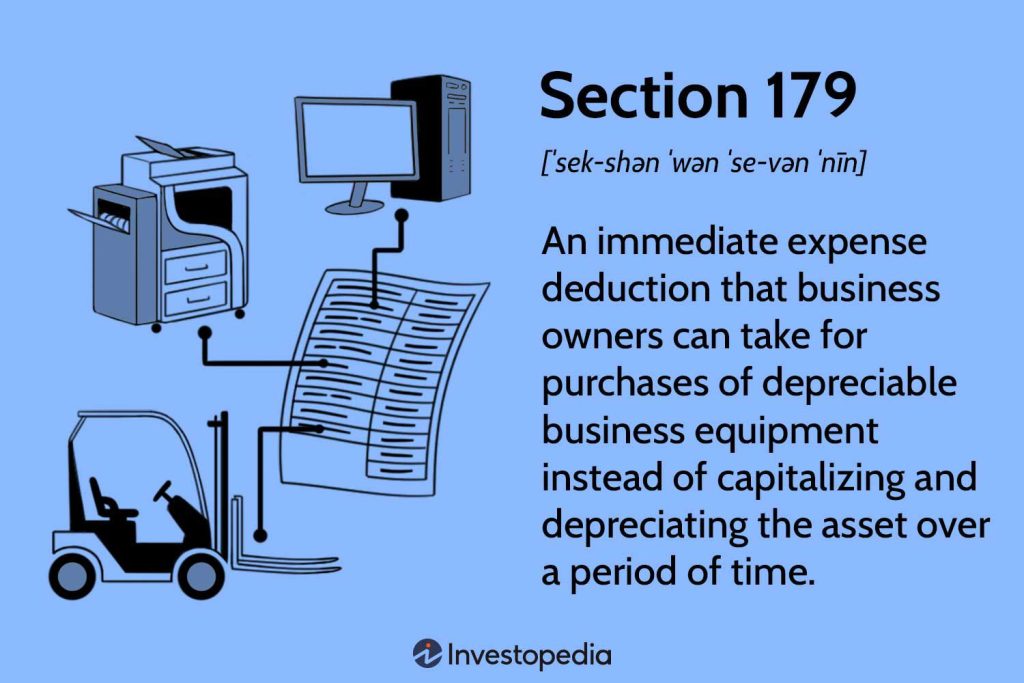
In addition to bonus depreciation, the tax code includes Section 179 expensing, which lets businesses immediately deduct the full cost of qualifying equipment up to a dollar limit. The OBBBA also expanded Section 179 limits, giving businesses even more flexibility when expensing equipment purchases.
In Practice:
- Use Section 179 to expense qualifying property up to its limit.
- Then apply 100 percent bonus depreciation to any remaining basis for additional immediate write-off.
Working with a tax advisor ensures you choose the strategy that best matches your tax position and investment plans.
Takeaway for 2026 Machinery Buyers
If you plan to buy machinery in 2026, the current tax rules make that investment more efficient from a cash-flow standpoint. You can:
- Deduct the full cost of qualifying equipment in the year you put it to use.
- Reduce taxable income sooner rather than later.
- Improve short-term cash flow and reinvest in your operation.
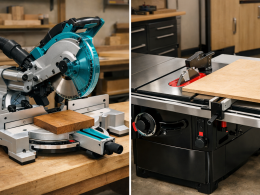
For shops investing in CNC machines, edgebanders, saws, drill presses, or other capital equipment from Wurth Machinery, this means buying today could improve your tax outcome tomorrow. Consult a tax professional to confirm how these rules apply to your particular situation and to maximize your deduction under current law.
Conclusion: 100 Percent Bonus Depreciation on Machinery
Permanent 100 percent bonus depreciation under the OBBBA offers a meaningful tax incentive for U.S. businesses investing in machinery. By allowing immediate full expensing, the rule can increase your shop’s cash flow and reduce tax liability in the year you make a significant capital investment. This change supports smart growth and equips your business to expand with confidence in 2026 and beyond.