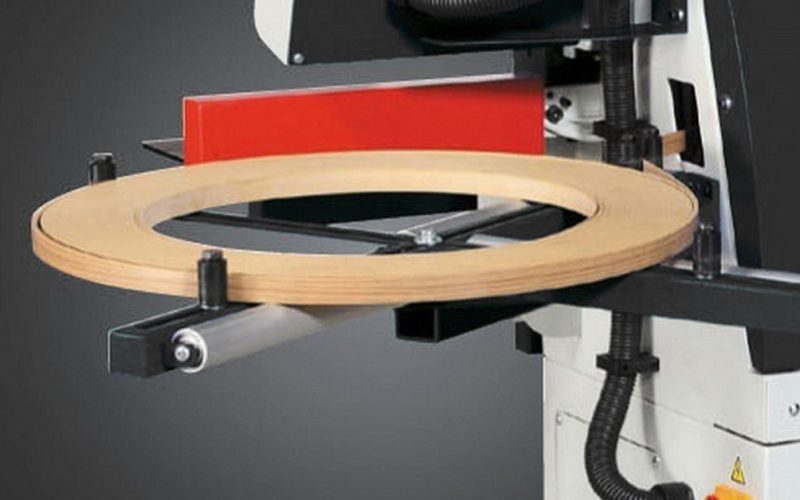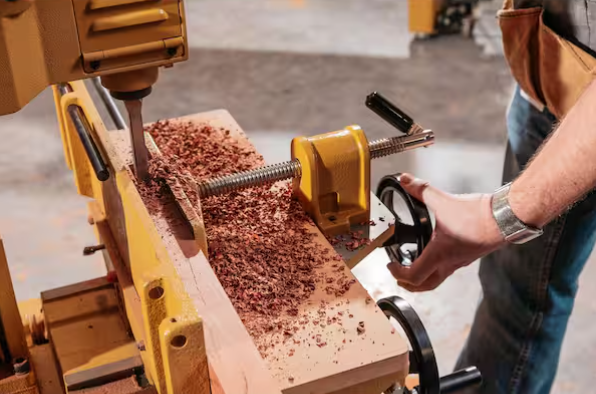

Choosing the right adhesive for edgebanding affects durability, appearance, and long term performance in any woodworking shop. Whether you build custom cabinetry, commercial casework, or furniture, the glue system you select influences bond strength, resistance to heat and moisture, and the overall quality of the finished panel.
Wurth Machinery supports both paths with a full range of edgebanders and edgebanding materials designed for EVA and PUR applications.
What EVA Edgebanding Is and How It Works
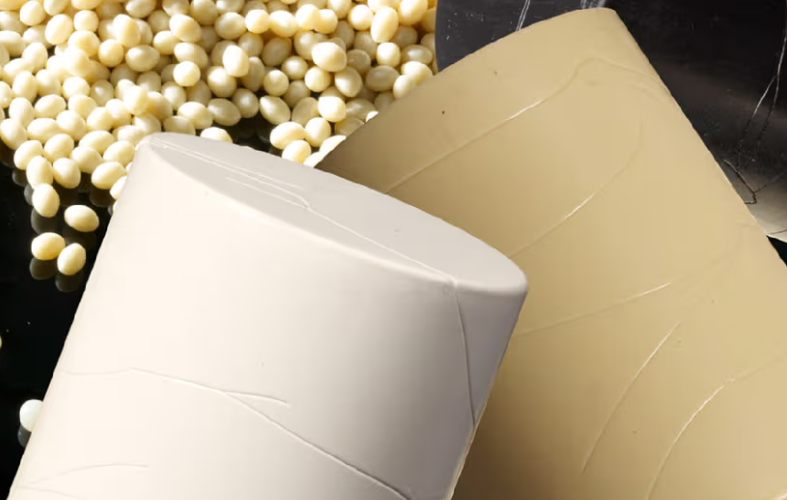
EVA hot melt adhesive is the traditional glue technology used in edge banding. It is a thermoplastic material that becomes molten when heated inside the glue pot of an edgebander. Once applied to the substrate, EVA bonds through a simple cooling process where the adhesive solidifies and forms a physical mechanical bond.
Shops choose EVA for several reasons:
- It offers straightforward operation that requires little operator training.
- It is cost effective for most production environments.
- It works with a wide range of substrates and edge tape materials.
- It reduces cleanup time because EVA is easier to remove from glue pots and rollers.
EVA is a strong choice for standard residential cabinetry, furniture parts, shelving, hospitality furniture, and budget driven projects that do not require extreme moisture or heat performance. Many of the edgebanders available at Wurth Machinery use EVA as the primary adhesive system for everyday casework production.
What PUR Edgebanding Is and How It Works
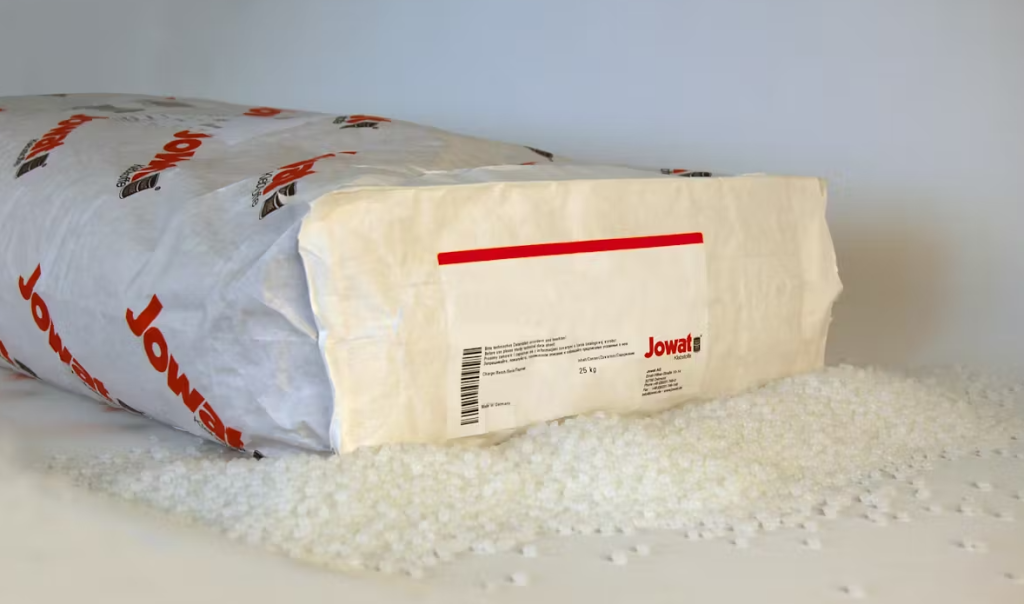
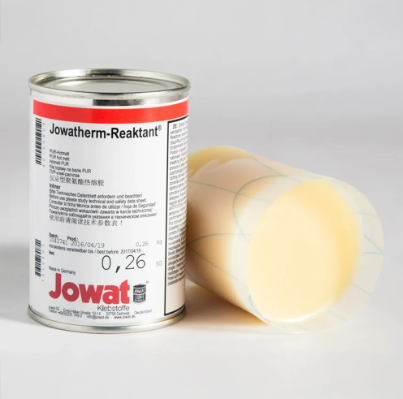
PUR hot melt adhesive takes edge banding a step further. PUR begins in a molten state similar to EVA, but it cures through a moisture activated chemical reaction. This reaction creates a permanent crosslinked bond that becomes stronger over time.
The advantages of PUR stand out in high performance work:
- The adhesive line resists heat, humidity, water exposure, and solvents better than EVA.
- PUR bonds are significantly stronger and far more resistant to peeling or joint opening.
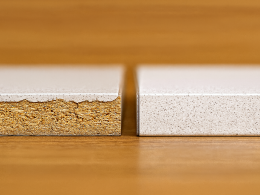
- PUR produces a thinner, cleaner, almost invisible glue line that enhances premium cabinet finishes.
For high end kitchens, bathroom vanities, retail displays, medical cabinetry, and commercial environments exposed to moisture or temperature swings, PUR provides long term stability and superior visual results. Wurth Machinery carries edgebanders equipped for PUR cartridges or dedicated PUR systems for shops that need elevated performance.
Side-by-Side Comparison: EVA vs PUR Edgebanding
The differences between the two adhesives become clearer when viewed together.
| Category | EVA | PUR |
|---|---|---|
| Adhesive type | Thermoplastic | Moisture curing reactive hot melt |
| Bond strength | Strong enough for standard use | Very strong with permanent crosslinking |
| Moisture resistance | Moderate | High |
| Heat resistance | Moderate | High |
| Solvent resistance | Low to moderate | High |
| Glue line appearance | Noticeable but acceptable for most work | Very thin and clean |
| Equipment requirements | Standard glue pot systems | PUR ready system or cartridge unit |
| Cost of operation | Lower | Higher |
| Production use cases | General cabinetry and furniture | High end, wet area, or commercial applications |
Wurth Machinery Products That Support EVA, PUR, and Hybrid Glue Systems
Wurth Machinery offers a range of edgebanders suited for each adhesive technology.
Machines that Support EVA Glue:
- Entry level and mid tier edgebanders with standard glue pot systems suited for residential cabinet shops.
- These machines handle EVA efficiently, with fast heat up and easy maintenance for day to day runs.
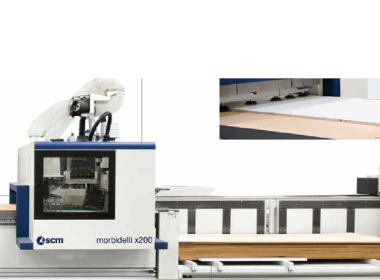
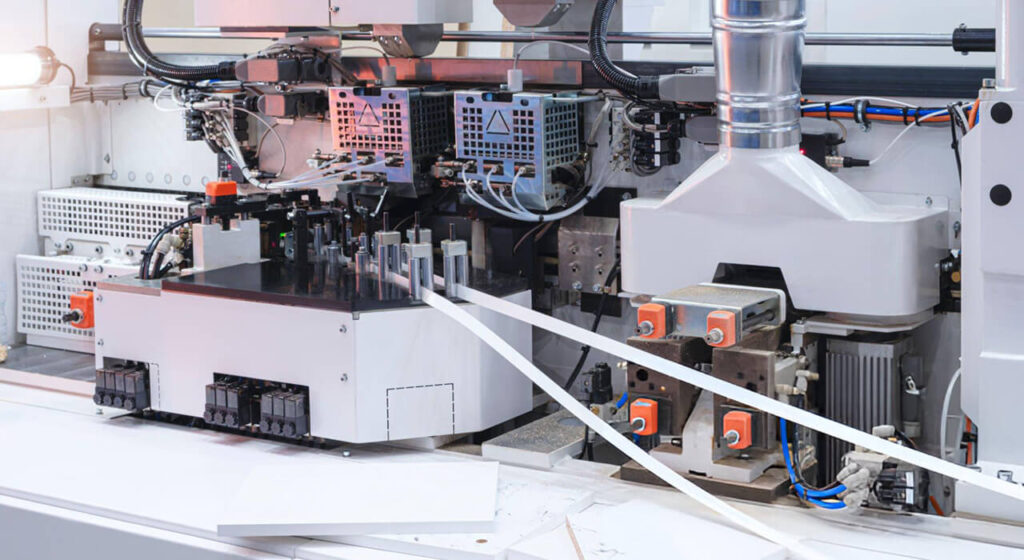
- Recommended EVA edgebanders include CANTEK MX350, SCM MINIMAX ME 25, and MAKSIWA TITANIUM AUTOMATIC.
Machines that Support PUR Systems:
- Advanced edgebanders that accept PUR cartridges or include closed system PUR modules.
- Ideal for shops producing frameless cabinetry, high end millwork, or moisture resistant casework.
- Recommended PUR edgebanders include SCM STEFANI KD HP, CASADEI E550T, and SCM OLIMPIC K 560.
Edgebanding Materials:
- Edge tapes and adhesive products stocked through Wurth are compatible with both EVA and PUR.
- PUR cartridges and EVA hot melts are available for shops that run mixed production.
Real World Examples: EVA vs PUR Edgebanding
Kitchen and Bath Cabinetry:
PUR performs better in areas with high humidity such as near sinks, dishwashers, or bathroom showers. EVA is sufficient for dry pantry storage or basic cabinetry.
Commercial Casework:
Retail stores, medical offices, and schools benefit from PUR because it holds up against cleaning chemicals and heavy use.
Budget Projects:
For rental properties, basic closet systems, garage storage, and price driven furniture, EVA offers reliable performance at a lower cost.
Practical Buying Guidance: EVA vs PUR Edgebanding
Choose EVA if you want lower operating costs, easier cleanup, and a glue system that covers most residential and commercial needs. EVA edgebanding is ideal when production speed and affordability are the priority.
Choose PUR if your shop builds premium frameless cabinets, high moisture casework, or products where the glue line must be as invisible as possible. PUR has higher upfront cost but delivers durability that justifies the investment in demanding environments.
Evaluate your workflow, end use conditions, and customer expectations. If your work includes a mix of both, consider an edgebander from Wurth Machinery that accommodates EVA and offers optional PUR capability.
Final Takeaway: EVA vs PUR Edgebanding
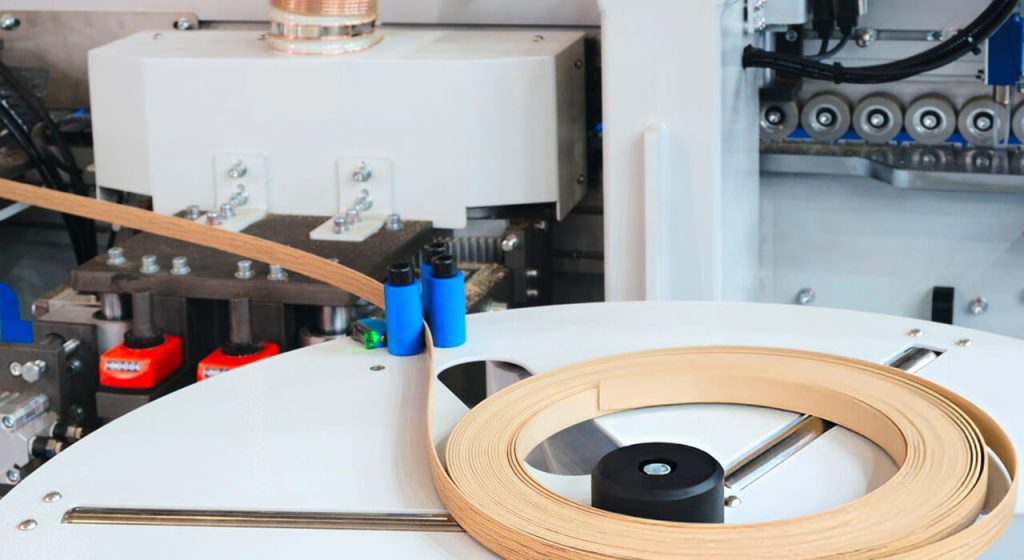
EVA and PUR both play important roles in modern edge banding. EVA remains the dependable choice for everyday cabinetry, while PUR delivers unmatched strength and visual quality for premium projects. Wurth Machinery supplies edgebanders, adhesives, and edgebanding materials designed for each system so your shop can select the adhesive technology that fits your production goals.