
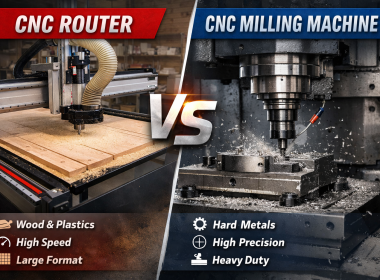
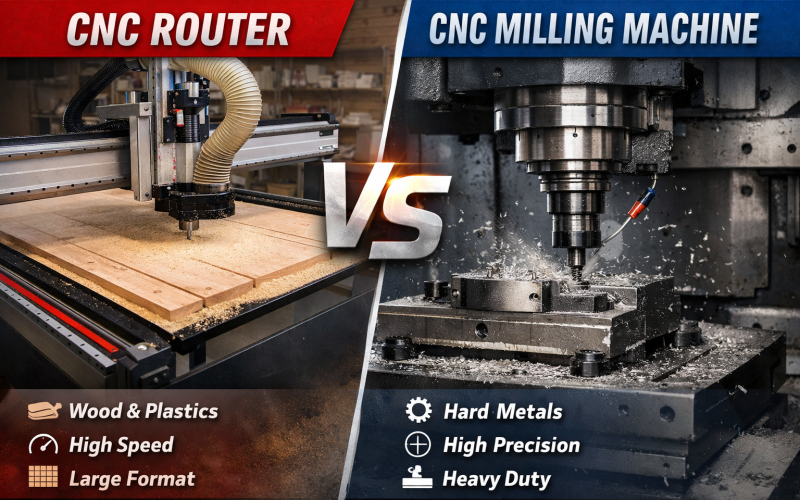
The main difference between a CNC router and a CNC milling machine is how they cut and what they are built to handle.
CNC routers use high speeds to efficiently cut large sheets of wood, plastics, and soft metals, while CNC milling machines use high torque and rigid construction to precisely machine hard metals like steel and titanium.
Routers prioritize speed and size, while mills prioritize accuracy and strength.
Quick Comparison: CNC Router vs CNC Mill
| Feature | CNC Router | CNC Milling Machine |
|---|---|---|
| Best For | Wood, plastics, aluminum sheet | Steel, titanium, precision metal parts |
| Speed | Very high | Moderate |
| Torque | Lower | Very high |
| Precision | Good | Excellent |
| Rigidity | Moderate | Extremely high |
| Work Area | Large format sheets | Smaller, dense parts |
| Typical Industries | Cabinetry, signage, furniture | Tooling, aerospace, automotive |
| Machine Weight | Lighter | Very heavy |
What Is a CNC Router?
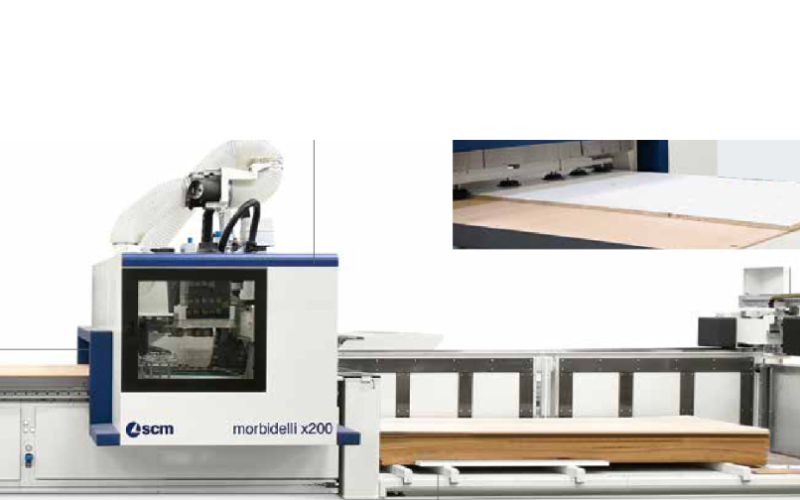
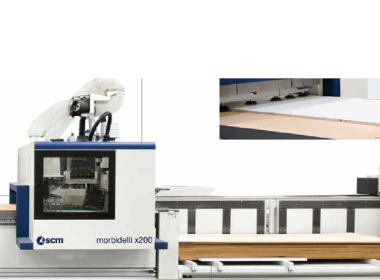
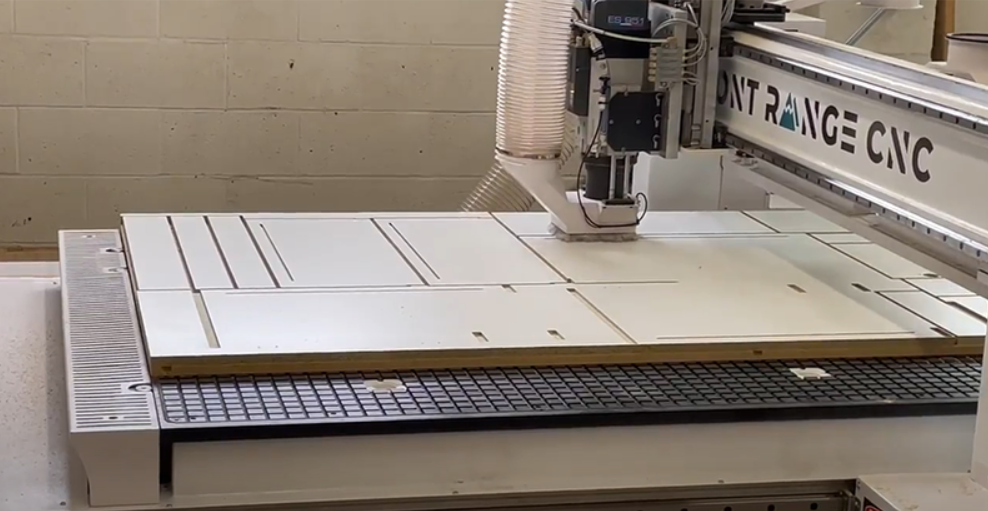
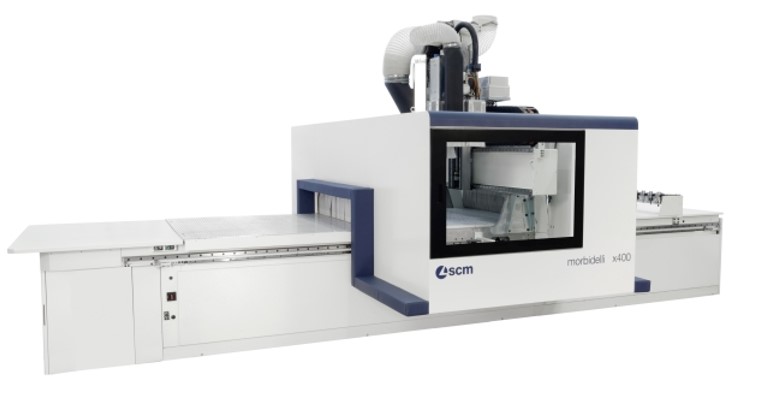
A CNC router is a high speed cutting system designed to process large panels and softer materials efficiently. Most woodworking shops encounter routers first because they align perfectly with sheet goods production.
Routers typically use a gantry design where the cutting head moves over a stationary table. This makes them ideal for nested manufacturing and large flat parts.
Common Router Applications
Woodworking shops rely on CNC routers for:
- Cabinet parts and casework
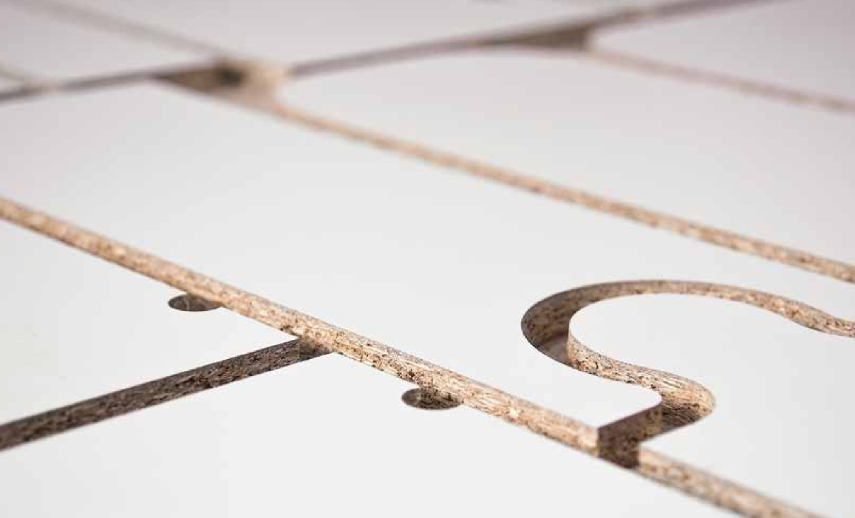
- MDF, plywood, and particleboard cutting
- Furniture components
- Architectural millwork
- Sign making
- Plastic fabrication
- Musical instruments
- Aluminum sheet processing
Routers excel when throughput matters more than ultra tight tolerances.
Why Routers Are So Fast
Routers achieve speed through extremely high spindle RPMs rather than brute force torque. High RPMs allow clean cutting of wood and composites without tearing fibers.
Key design advantages include:
- Large cutting envelopes
- Fast acceleration
- Automatic nesting capability
- Tool changers for multi operation jobs
- Efficient sheet processing
For production cabinet shops, a CNC router often replaces panel saws, line boring machines, and manual routing operations in one system.
What Is a CNC Milling Machine?
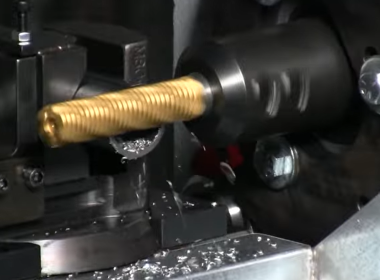
A CNC milling machine is built for precision machining of dense materials. These machines are designed to remove metal accurately, consistently, and without vibration.
Unlike routers, mills typically use a rigid C frame structure where the table moves while the spindle remains fixed. The entire machine is engineered to resist deflection under heavy cutting loads.
Common Milling Applications
CNC mills dominate industries where precision is non negotiable:
- Tool and die manufacturing
- Mold making
- Aerospace components
- Engine parts
- Medical devices
- Precision fixtures
- Complex 3D metal parts
Mills can machine soft materials too, but their true value appears when working with hardened metals.
Why Mills Are So Precise
Precision comes from mass and rigidity. Milling machines are often made from cast iron or heavy steel to dampen vibration and maintain alignment under load.
Key performance traits include:
- High torque at lower RPMs
- Tight tolerances
- Deep cutting capability
- Superior surface finish on metals
- Long tool life in hard materials
If your work involves steel or tight engineering specs, a router simply cannot compete.
Material Capability
Material type is usually the deciding factor.
CNC Router Materials
Routers handle:
- Hardwood and softwood
- MDF and plywood
- Laminates
- Plastics
- Foam
- Composites
- Aluminum sheet
They struggle with thick or hardened metals due to limited rigidity and torque.
CNC Mill Materials
Mills are designed for:
- Steel
- Stainless steel
- Titanium
- Brass
- Bronze
- Hardened alloys
They can also machine wood and plastics, though at slower speeds than routers.
Structure and Rigidity
Machine construction directly impacts accuracy, tool wear, and cut quality.
Router Construction
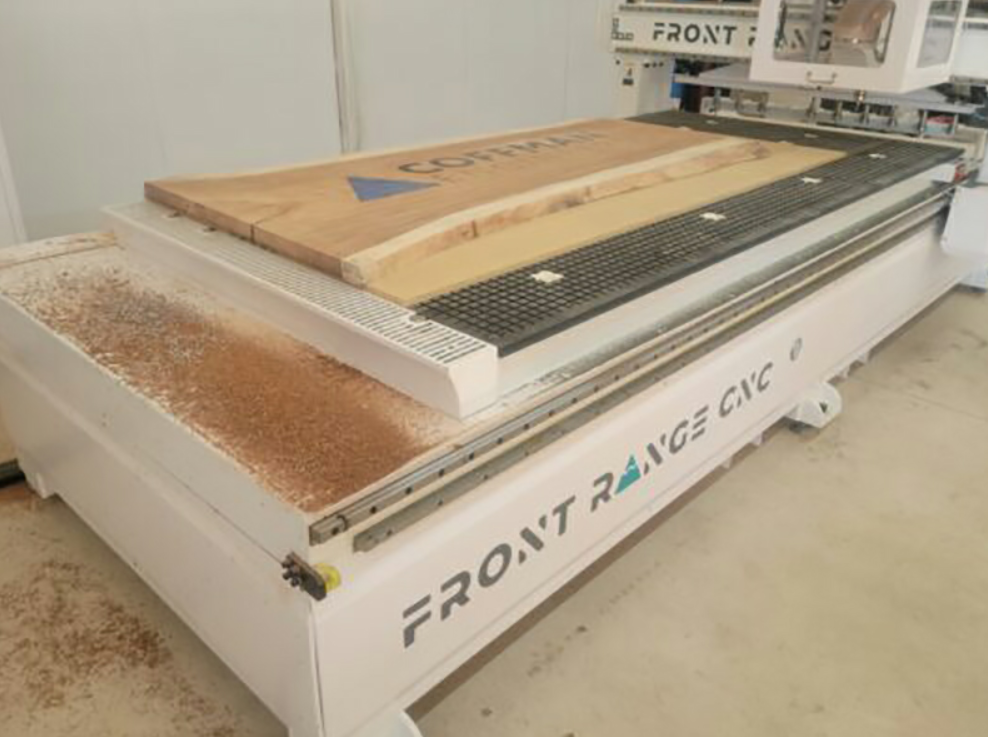
Routers prioritize size and speed:
- Gantry design
- Aluminum extrusion or welded steel frames
- Large tables
- Lighter moving components
This allows rapid movement across large surfaces but limits heavy cutting capability.
Mill Construction
Mills prioritize stability:
- C frame or box frame structure
- Massive cast components
- Minimal vibration
- High load capacity
This rigidity enables deep cuts and tight tolerances.
Precision and Tolerances
Both machines are accurate, but mills operate at a different level.
- CNC routers deliver production grade accuracy suitable for cabinetry and fabrication
- CNC mills achieve engineering level precision for mechanical parts
When components must fit perfectly without adjustment, milling machines win decisively.
Speed vs Torque
Think of routers as high speed cutters and mills as high force cutters.
Routers:
- Extremely high RPM
- Shallow passes
- Fast material removal in soft materials
Mills:
- Lower RPM
- High torque
- Deep cuts in hard materials
Choosing incorrectly can lead to slow production, poor finishes, or tool breakage.
Machine Configuration Differences
Router Layout
- Moving gantry over fixed table
- Large working area
- Ideal for sheet processing
Mill Layout
- Moving table under fixed spindle
- Smaller but stronger workspace
- Ideal for dense parts
This structural difference shapes how each machine fits into a workflow.
When to Choose a CNC Router
A CNC router is the right upgrade if your shop focuses on:
- Cabinet production
- Furniture manufacturing
- Signage and displays
- Plastic components
- Large flat parts
- High volume sheet processing
For woodworking businesses, routers typically deliver the fastest ROI because they automate multiple operations simultaneously.
When to Choose a CNC Milling Machine
A CNC mill is the correct choice when you need:
- Precision metal machining
- Tooling and fixtures
- Complex 3D parts
- Tight tolerances
- Deep cuts in hard materials
- Durability for heavy workloads
Metalworking shops almost always require milling capability for serious production work.
Can One Machine Replace the Other?
Not effectively.
While overlap exists, each machine is optimized for different physics. Using a router to cut hardened steel or a mill to process large cabinet sheets creates inefficiencies and premature wear.
Many advanced fabrication shops eventually operate both systems to cover their full production spectrum.
Final Verdict: CNC Router vs Milling Machine
Choose a CNC router if your business revolves around large panels, wood products, plastics, or high speed production.
Choose a CNC milling machine if your work demands precision metal machining, durability, and tight tolerances.
For mixed shops, the decision should align with your highest revenue work, not occasional jobs.
Investing in the correct CNC platform can transform throughput, consistency, labor efficiency, and profitability for years to come.