
Your edgebander is one of the most important machines in your shop. It decides how your cabinets look. It affects labor. It influences how customers judge your craft. Today shops often choose between two clear paths; hot air vs glue pot edgebander machine.
The main difference between hot air vs glue pot edgebanders is how each system bonds the tape to the panel. Glue pot machines melt EVA or PUR glue inside a heated pot and roll it onto the board for a strong and versatile bond. Hot air machines activate a special layer already on the tape using high temperature air which creates a seamless edge with no visible glue line. This choice affects finish quality, speed, cost, and the type of work your shop can take on.
This comparison gives you a simple decision path based on real shop needs.
Quick Comparison: Hot Air vs Glue Pot Edgebander
| Factor | Glue Pot | Hot Air |
|---|---|---|
| Finish quality | Excellent for most uses | Best available near invisible joint |
| Speed | Faster at similar investment | Moderate for price unless advanced models |
| Tape flexibility | Very broad | Requires compatible tape |
| Cost | More affordable for small shops | Higher investment to gain premium finish |
| Maintenance | More glue cleanup | Minimal cleanup |
| Ideal User | Almost any shop | High end finish focused shops |
The question is not which is better. It is which is better for your business model.
Glue Pot Edgebanders: Trusted Performance for Most Applications
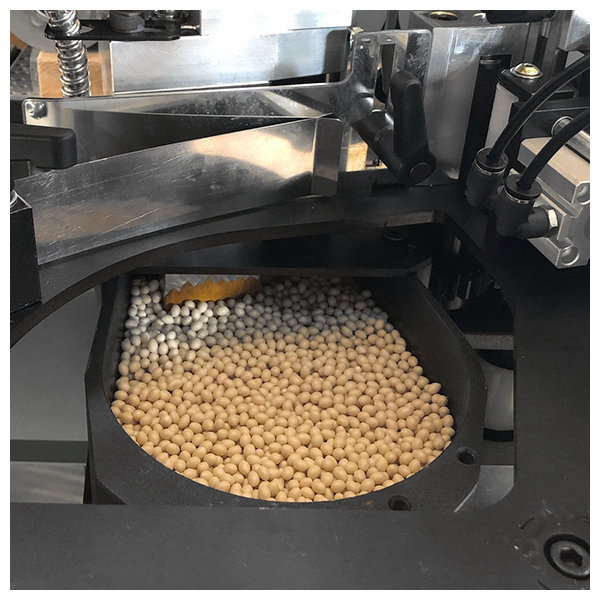
Glue pot technology is proven. The pot melts EVA or PUR adhesive. The roller applies a consistent layer to the panel or tape. Pressure rollers bond the tape. Trimming stations clean the edge. Shops choose glue pot machines because they are flexible and affordable at many scales.
Key advantages
• Works with many materials including PVC tape, wood veneer, and thicker edges
• Tight bond strength with long service life
• Many speed levels from small to industrial production
• Significant model selection and competitive pricing
Modern glue pots are smarter than earlier generations. Auto standby modes reduce scorching. Digital temperature control maintains bond quality. Cleanup is easier than before.
Who benefits most
• Small shops upgrading from iron on tape. You gain better appearance and less manual work. A machine like the Maksiwa Titanium has automatic feed, dual pressure rollers, and a sturdy steel frame. It keeps output consistent even with one operator.
• Growing shops adding automation. SCM Minimax ME 40 or Cantek MX350M add pre milling and corner rounding. This improves seam quality on saw cut boards and reduces sanding or hand trimming.
• High volume manufacturers. SCM Stefani high production machines run long shifts at fast feed speeds. They are built for uptime with precise digital adjustments and powerful trimming stations.
Glue pot remains the best all around solution for most cabinet shops. The range of choices lets you match investment to workload. Shops can also upgrade to PUR glue for better moisture protection and a tighter joint line.
Hot Air Edgebanders: Zero Edge Finish for Premium Work
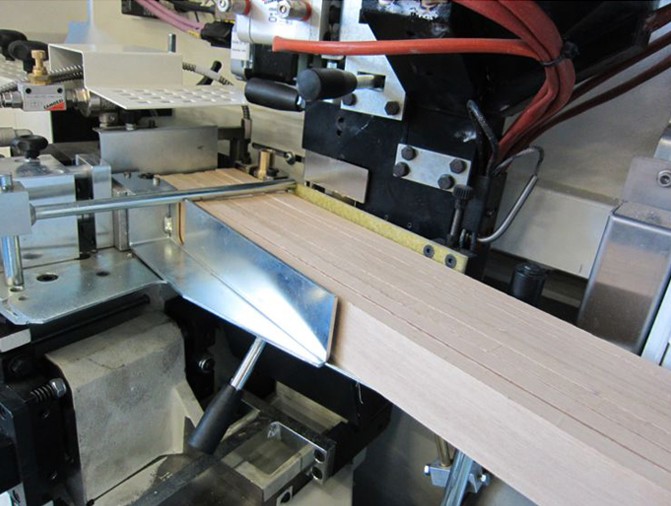
Hot air edgebanding is newer in North America. Instead of melting glue in a pot the machine blows high temperature air onto a reactive layer on specialized tape. That layer melts and bonds into the panel. The joint becomes very difficult to see even up close. Many customers describe the finish as laser quality.
Key advantages
• Invisible glue line and flawless visual appearance
• Waterproof and heat resistant bond similar to PUR
• No glue pot cleaning or glue char to manage
• Premium aesthetic that helps shops win high end projects
SCM AirFusion integrates this technology into advanced machines like the Olimpic K 560. Operators can switch from glue pot to hot air within the same machine for total flexibility. For a smaller shop the Safety Speed 60HA delivers zero edge capability in a compact footprint.
Who benefits most
• Custom premium shops where every detail matters
• Designers requesting modern slab doors with perfect edges
• Operators that want less cleanup and simpler adhesive management
• Businesses that sell high end results and want a clear point of difference
The main limits come from material compatibility and cost. Tape must be designed for the process. Feed speeds and price points are usually higher than entry glue pot systems.
How to Decide Fast: Hot Air vs Glue Pot Edgebander
Ask three questions:
- What finish does your customer expect
Standard cabinetry and commercial work: glue pot
High end kitchen and furniture: hot air - What volume do you produce
Large daily output: glue pot systems scale better
Boutique production: hot air meets client expectations - What budget fits today
Lower capital entry: glue pot wins
Investing for long term brand value: hot air stands out
You can also plan for both. Machines like the SCM Olimpic K 560 allow glue pot for standard runs and hot air for premium orders. That approach gives pricing flexibility and higher quality when needed.
Final Recommendation: Hot Air vs Glue Pot Edgebander
Most shops should choose a glue pot edgebander first. It is reliable, affordable, and supports production growth. When your market shifts toward luxury finishes or when you want a competitive edge in design focused cabinetry you can adopt hot air. A seamless edge can help you raise prices because customers see the difference up close.
If you are positioning your shop as premium from day one and want a signature look hot air makes you stand out. It removes the visible glue line and delivers the modern aesthetic many homeowners request.
Plan for what your business will need three years from now. The right machine will increase confidence in your product and support growth without rework or callbacks.