
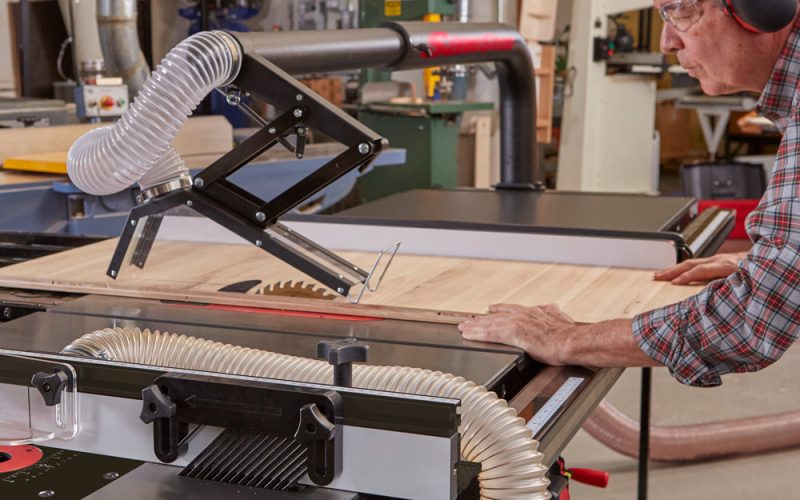
Ripping is one of the most common operations on a table saw. It is also one of the most misunderstood. If you are a hobbyist dialing in accuracy or a cabinet shop worker focused on repeatable results, understanding how wood is actually cut during a rip makes your cuts cleaner, safer, and more consistent.
This guide breaks down what happens at the blade, how the fence controls the cut, and what factors affect cut quality.
Quick Skim: How Ripping Works on a Table Saw
| Topic | What to Know |
|---|---|
| What ripping means | Cutting wood with the grain while feeding the board lengthwise past the blade |
| How the blade cuts | Blade rotates downward at the front, shearing long wood fibers as teeth enter from the top |
| Blade tooth type | Rip blades use flat top teeth to cut efficiently and clear chips fast |
| Fence function | Keeps the workpiece parallel to the blade and sets consistent cut width |
| Feed rate | Steady, moderate feed prevents burning, wandering cuts, and blade deflection |
| Grain impact | Straight grain cuts clean; figured or wet wood increases friction and tearout |
| Blade height | Set so the gullets clear the top of the stock for clean cutting and chip removal |
| Safety focus | Use a riving knife, keep fence aligned, and stand out of the kickback zone |
| Cut quality result | Proper setup produces straight, smooth edges with minimal cleanup |
What Does Ripping Mean on a Table Saw?
Ripping means cutting wood with the grain, not across it. The workpiece moves lengthwise past the blade while the fence controls the width of the cut.
Common ripping tasks include:
- Cutting sheet goods into cabinet parts
- Sizing solid lumber for face frames
- Trimming panels to final width
Unlike crosscuts, ripping puts constant side pressure on the blade and fence. That pressure is why setup and technique matter.
How the Table Saw Blade Cuts During a Rip
When ripping, the blade does not slice straight down. It cuts using a combination of rotation, tooth geometry, and forward feed pressure.
Here is what is happening at the blade:
1. Blade Rotation
The blade spins toward you at the top and away from you at the bottom. As the wood feeds forward, each tooth enters the wood from the top surface.
2. Tooth Engagement
Rip blade teeth are designed to:
- Dig aggressively into the grain
- Lift long wood fibers
- Clear material quickly
Flat-top grind teeth are common for ripping because they shear fibers cleanly and efficiently.
3. Chip Removal
As each tooth exits the cut, it pulls chips up and out. Proper chip clearance prevents burning and reduces load on the motor.
If chips are not clearing, friction increases and cut quality drops.
The Role of the Fence in a Rip Cut
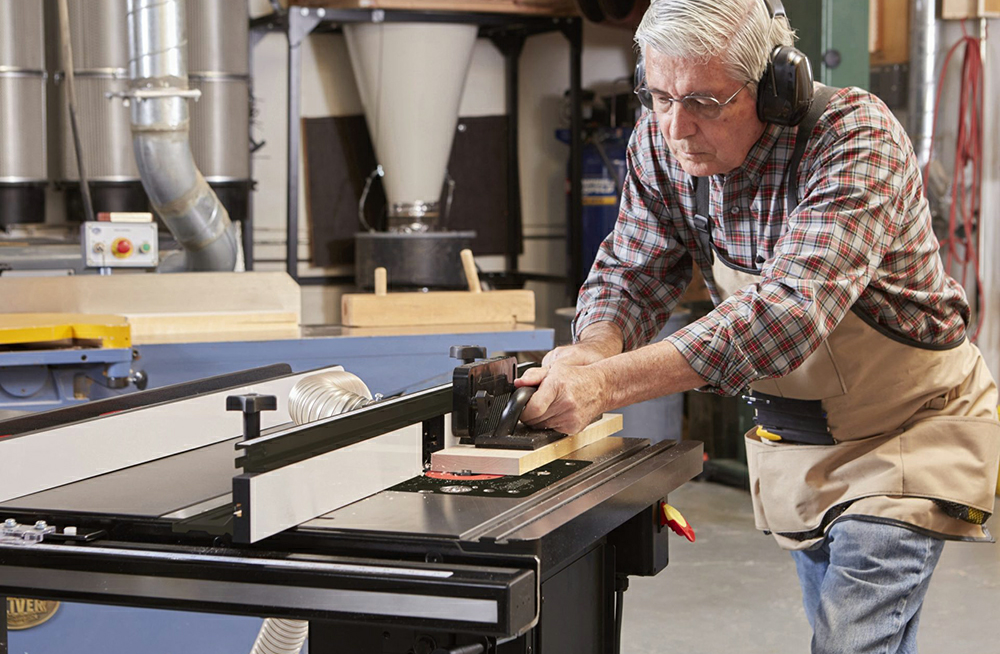
The fence does more than set width. It defines the straight path of the cut.
A properly aligned fence:
- Keeps the board parallel to the blade
- Prevents twisting during the cut
- Reduces the risk of kickback
If the fence toes in toward the blade, the wood gets pinched. That causes burn marks, blade deflection, or kickback.
Feed Rate and Cutting Pressure
Feed rate controls how the blade interacts with the wood.
- Too slow: Friction builds and burns appear
- Too fast: The blade deflects and the cut wanders
The goal is steady forward pressure while keeping the board tight to the fence. Let the blade do the work.
A smooth rip sounds consistent. If the pitch rises or chatters, adjust your feed.
How Wood Grain Affects the Cut
Wood is not uniform. Grain direction, density, and moisture content all influence how a rip cut behaves.
During ripping:
- Straight grain cuts clean and predictably
- Wavy or figured grain increases tearout
- Wet or resinous wood increases friction
This is why blade choice and feed control matter more for ripping than crosscutting.
Why Blade Height Matters
Blade height changes how the teeth enter the wood.
General rule:
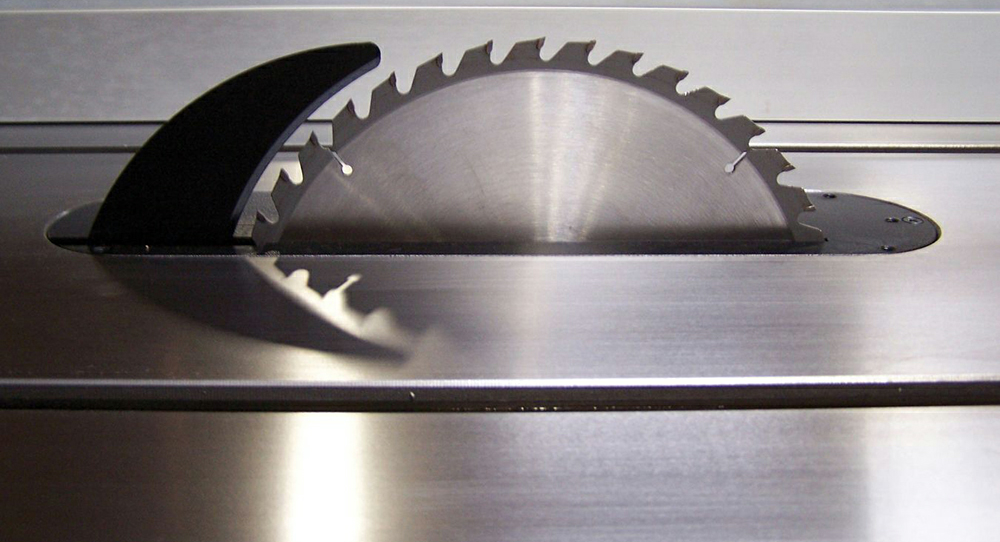
- Set the blade so the gullets clear the top of the stock
A blade set too low rubs instead of cuts. A blade set too high increases tearout and exposure. Proper height improves chip evacuation and cut quality.
Safety Factors Unique to Ripping
Ripping carries higher kickback risk than most table saw operations.
Always:
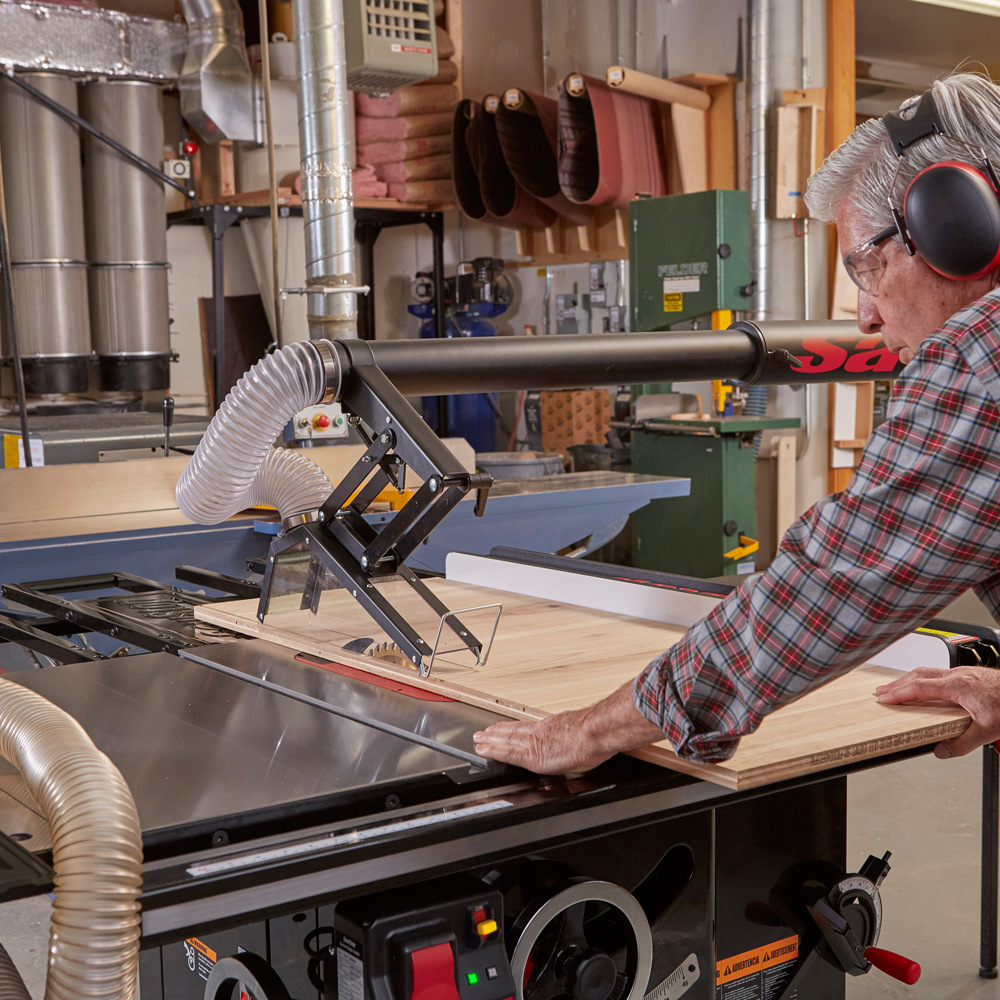
- Use a riving knife or splitter
- Keep the fence parallel to the blade
- Use push sticks for narrow rips
- Stand slightly off the cut line
Kickback happens when the wood twists or closes on the blade. Understanding the cutting forces helps you prevent it.
Why Understanding the Cut Improves Results
When you understand how wood is cut during a rip:
- You choose the right blade
- You set proper blade height
- You feed the stock correctly
- You get straighter, cleaner edges
For hobbyists, this means fewer ruined boards. For cabinet shops, it means faster production and less rework.
Final Takeaway: How is Wood Cut When Ripping with a Table Saw
When ripping on a table saw, the blade shears wood fibers along the grain while the fence controls alignment and width. Tooth design, feed rate, blade height, and grain structure all work together to determine cut quality.
Dial in those variables and your table saw becomes a precision tool, not just a power tool.