
CNC machining changed manufacturing forever because it put precision, repeatability, and scale in the hands of skilled operators. Now that Artificial Intelligence (AI) is entering the shop floor, one big question looms large: Will CNC machinists be replaced by AI?
The short answer for most shops today is no, but the longterm answer is yes and no. Humans will remain essential even as the role evolves.
AI Isn’t a Job Stealer, It’s an Amplifier
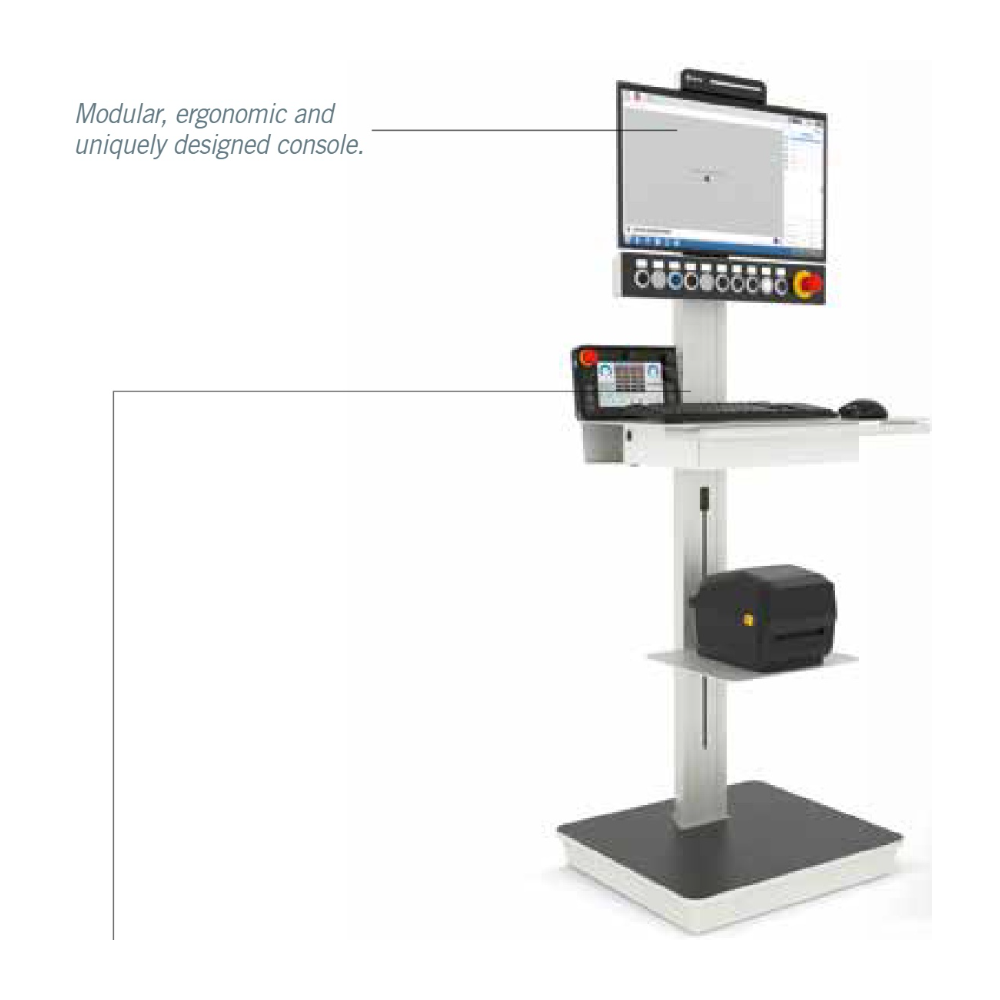
AI is already arriving in CNC workflows. Tools in software like Autodesk Fusion 360 can automate drawing tasks, generate optimized toolpaths, and speed up CAM processes dramatically. AI-assisted features can cut programming time by a huge margin compared with manual CAM work, and early users are seeing developers tout 80% faster outputs in some cases.
This might sound like a threat, but the reality is that AI acts more like a powerful assistant than a replacement. It handles routine, repetitive aspects of programming and optimization while leaving critical thinking and decision-making to the operator. In other words, AI takes the grunt work off your plate and lets you focus on value-added work.
What AI Does Well
AI shines at things that involve pattern recognition, data analysis, and repetition. In CNC machining this translates to:
- Auto generating initial toolpaths from CAD data
- Suggesting feeds and speeds based on historical data
- Predictive analytics like tool wear forecasting
- Detecting anomalies with machine vision
- Automating quoting and digital workflows
These capabilities can shorten lead times, reduce waste, and improve consistency — all without replacing human oversight.
The Human Element Still Matters
Despite all the hype, AI cannot fully replicate what experienced machinists do every day. Skilled operators bring context, intuition, and problem solving that no algorithm matches:
- Reading complex part geometry and visualizing machining steps
- Responding to issues on the floor, like fixturing challenges
- Choosing alternate strategies when materials or tools behave unpredictably
- Understanding the business impact of part quality, scrap, and cycle time
Leading industry voices point out that the view of computers and robots entirely replacing machinists is unrealistic. Today’s AI tools still require someone to load designs, oversee operations, and fix faults when they occur.
Many machinists on forums echo this sentiment: AI might do more in the future, but it can’t replace deep practical experience. Skilled operators who can also troubleshoot and maintain machines will be more valuable, not less.
Nearterm Changes in Roles
In the short term, the biggest shift is likely in how machinists work rather than whether they work:
- CAM programmers will transition toward oversight of AI-generated toolpaths
- Operators will use AI to rapidly prototype and iterate jobs
- Shops will invest more in training to keep pace with evolving tools
- Manual tasks like fixturing and inspection will still need human attention
Rather than eliminating jobs, AI adoption often highlights the value gap in training. Those who upskill alongside AI are positioned for higher wages and leadership roles.
Longterm Realities
Over decades, it’s possible that fully automated cells will reduce the number of entry-level machine tenders or programmers focused only on routine work. But history shows new technology doesn’t eliminate skilled roles entirely — it transforms them.
CNC machining itself once replaced manual milling and lathing work, yet those who learned the new systems prospered. The same pattern plays out with AI:
- Shops that combine AI with human expertise will run more efficiently
- Highly skilled machinists will focus on complex problem solving
- Some legacy roles will disappear, but new ones will emerge
AI is not a simple substitute for skilled thinking. It is a tool that amplifies your ability to produce precision parts with speed and consistency.
What Woodshop Owners Should Do Now
To stay competitive as AI tools evolve, woodshop owners and CNC shops should:
- Train machinists on AI-assisted CAM tools
- Invest in cross-training (programming, maintenance, quality)
- Evaluate AI platforms that blend human control with automation
- Keep humans “in the loop” so judgment remains part of every job
Those investments will pay off not because humans resist automation, but because skilled operators make automation better. AI without understanding still produces mistakes.
Final Take: Will CNC Machinists be Replaced by AI?
AI will not replace CNC machinists wholesale. It will change the nature of the job. The operators and programmers who thrive in this shift are those who embrace AI as a tool, not a threat.
In the nearterm, AI will augment your shop, lowering lead times and boosting precision. In the longterm, it will redefine roles and opportunities, much like every other major technological advancement in machining history.
Skilled machinists will still be required, just with smarter tools in hand.